Column · @dantecnpo668
Comparing Bridges and Dental Implants in Calabasas CA
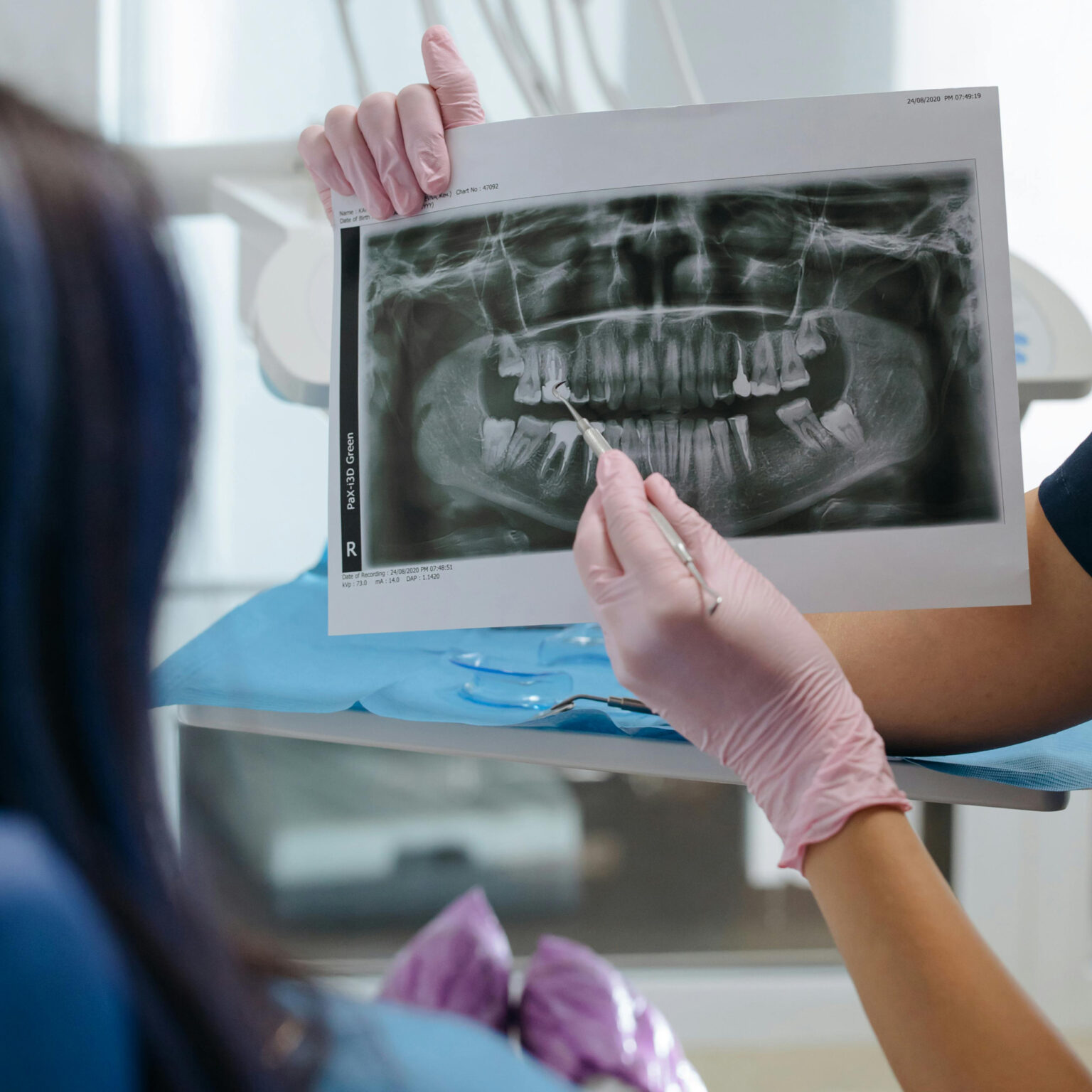
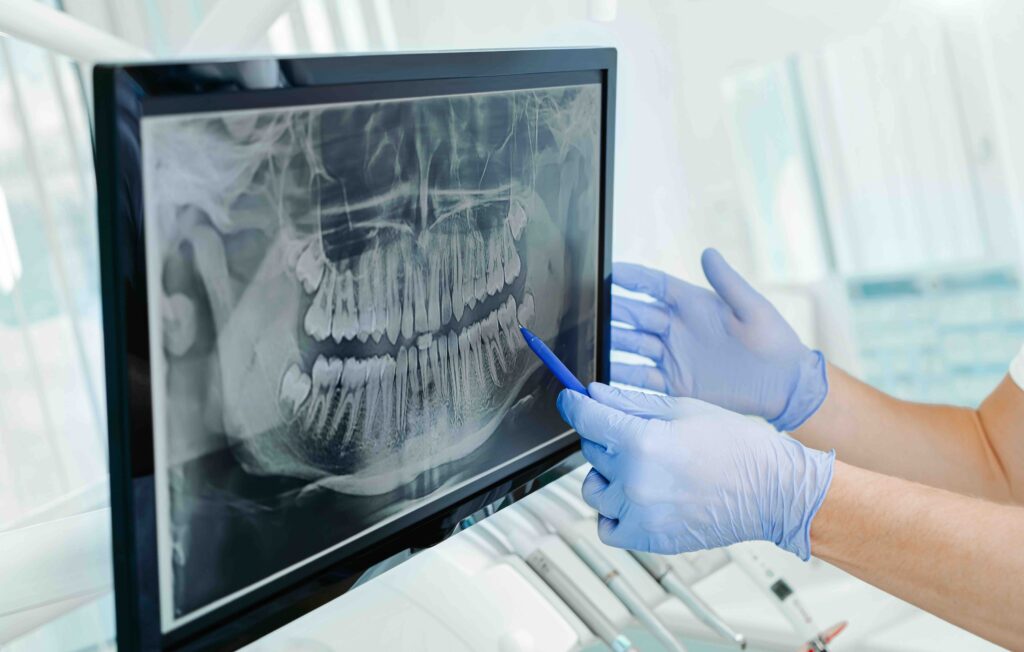
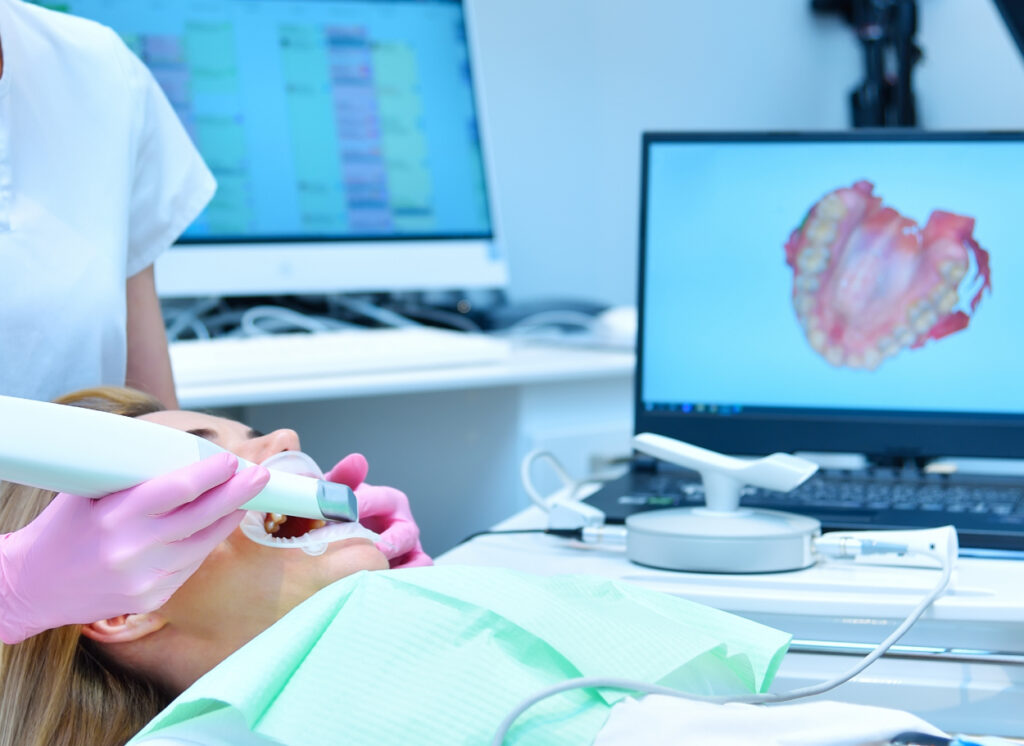
Losing a tooth changes more than a smile. It affects chewing, speech, confidence, and, over time, the health of the surrounding teeth and bone. In a place like Calabasas, where patients often want strong function and natural-looking results, the discussion usually narrows to two reliable choices: a dental bridge or a dental implant. Both can replace a missing tooth. Both can look excellent when done well. But they solve the problem in very different ways.
I have found that most confusion starts with one basic assumption, that a replacement tooth is just a replacement tooth. It is not. The real question is what kind of support system sits underneath it. A bridge depends on neighboring teeth. An implant depends on the jawbone. That one distinction shapes cost, treatment time, maintenance, and long-term stability.
For patients researching Dental Implants Calabasas CA, it helps to step back from marketing language and focus on mechanics, biology, and lifestyle fit. The best choice is not always the newest option, and it is not always the quickest one either. It is the one that fits your mouth, your health, your priorities, and your timeline.
The core difference most patients feel only after treatment
A dental bridge replaces the visible tooth by anchoring an artificial tooth between two crowns, or by using support from one or two neighboring teeth depending on the design. To place a traditional bridge, the teeth next to the gap usually need to be reduced so crowns can fit over them. The bridge then spans the space where the missing tooth used to be.
A dental implant replaces the root as well as the visible tooth. A small titanium or ceramic post is placed into the jawbone, allowed to heal and integrate, and then restored with a crown. If you picture a fence post set into the ground versus a structure hanging between two existing supports, you have the basic idea.
Patients often notice this difference most when they chew. A well-made bridge can feel stable, but an implant often feels more independent. It functions more like a separate tooth because it is anchored in bone rather than tied to neighboring teeth. That distinction also matters under the gums, where bone maintenance and bite forces play out over years, not just months.
Why age alone is not the deciding factor
Many adults assume implants are for younger patients and bridges are for older patients. That is not how dentists evaluate the decision. I have seen excellent implant candidates in their seventies and eighties, and younger patients who were better served by a bridge because of anatomy, timing, or financial constraints.
What matters more is gum health, bone volume, bite pattern, medical history, smoking status, and the condition of the adjacent teeth. If the neighboring teeth already need crowns because they are cracked, heavily filled, or worn down, a bridge may make excellent sense. If the adjacent teeth are healthy and untouched, many clinicians prefer not to remove sound tooth structure just to support a bridge.
This is one of those moments in dentistry where the cleanest answer is also the most honest one: the best option depends on what else is going on in the mouth.
When a bridge makes strong practical sense
Bridges have stayed relevant for good reason. They can be efficient, attractive, and predictable. In some cases, they are the most practical treatment available.
If a patient has a missing tooth and the teeth on either side already need full coverage crowns, a bridge can solve three problems at once. Rather than placing separate restorations, the dentist can design a connected solution that restores appearance and function with fewer surgical steps. Patients who want a shorter overall treatment timeline often appreciate this. While exact timing varies, many bridges can be completed in a matter of weeks rather than the several months often involved with implant healing.
Bridges can also be a good fit when bone volume is limited and the patient does not want grafting. Implant dentistry has become highly sophisticated, but it still depends on enough healthy bone in the right position. In the back of the upper jaw, sinus anatomy may complicate implant placement. In the front, thin bone can create cosmetic challenges if not managed carefully. A bridge bypasses some of those issues because it does not require a fixture to be placed into bone.
There are also medical and personal reasons some patients prefer to avoid surgery, even minor oral surgery. Blood thinners, healing concerns, dental anxiety, scheduling limitations, and budget realities all shape treatment decisions. A bridge is not a compromise by default. In the right setting, it is a smart, durable treatment.
Where implants usually pull ahead
Implants shine when the neighboring teeth are healthy and the patient wants to preserve them. Preparing two intact teeth to support one replacement tooth is sometimes the right call, but if it can be avoided without sacrificing quality, many patients prefer that. An implant stands alone. Nothing has to be shaved down next door.
The other major advantage is bone preservation. When a tooth root is lost, the jawbone in that area often begins to resorb over time because it no longer receives the same stimulation from chewing forces. A bridge replaces the crown portion of the tooth, but it does not replace the root. An implant does. It cannot stop every change, but it is the closest dentistry currently gets to mimicking the role of a natural root.
This matters more than many patients realize. Bone loss can gradually alter gum contours, create a shadow under the replacement tooth, and contribute to a sunken appearance if multiple teeth are missing. In the front of the mouth, even subtle tissue changes can affect cosmetics. In the back, bone loss can influence the stability of neighboring teeth and future treatment possibilities.
For patients specifically seeking Dental Implants Calabasas CA, the usual attraction is a blend of aesthetics, function, and long-term thinking. Many want the most tooth-like option available, even if it takes longer and costs more upfront.
The money question, without sugarcoating it
Cost matters, and it should. Dentistry is healthcare, but it is also a significant financial decision for many families. Bridges usually cost less at the start than implants. That is one reason they remain common. The appointment sequence is often shorter, and the procedure does not include implant placement surgery.
But initial price is not the whole story. A bridge may need replacement later due to decay at the margins, wear, changes in bite, or problems with one of the supporting teeth. If one abutment tooth fails, the entire bridge may be affected. An implant crown also has maintenance needs and occasional complications, but the restoration is not dependent on neighboring teeth in the same way.
It is more accurate to think in terms of short-term versus long-term investment. Some patients are best served by minimizing immediate cost. Others prefer paying more now for a solution that may preserve more structures over time. Neither mindset is wrong. What becomes frustrating is when people compare fees without comparing what is being preserved, altered, or risked.
A patient in Calabasas with one missing molar, two untouched neighboring teeth, and good bone may look at the treatment plan and feel sticker shock over an implant. That reaction is understandable. But if those neighboring teeth are healthy, it is worth considering the value of keeping them that way.
Healing time, downtime, and the pace of real life
The timeline often drives the decision more than patients expect. A bridge can often move faster from start to finish. Once the supporting teeth are prepared and impressions or scans are taken, the process heads toward final cementation relatively quickly, assuming the gums are healthy and the bite is straightforward.
Implants ask for more patience. After placement, the bone needs time to integrate with the implant. Healing varies by site and individual biology, but several months is common. Some cases also involve extraction healing, bone grafting, or soft tissue shaping before the final crown is placed. This does not mean months of discomfort. Most patients return to normal routines quickly after surgery. The bigger issue is calendar time, not ongoing pain.
That longer timeline can feel either reassuring or frustrating. Some patients appreciate a careful staged process. Others want the missing tooth addressed fast, especially if it is in a visible area. Temporary solutions can bridge the gap, but they are still temporary. A patient with an upcoming wedding, a high-profile speaking schedule, or frequent travel may choose differently than someone with more flexibility.
What the procedure feels like from the patient chair
People often fear implants because they sound more invasive than a bridge. The language does not help. Surgical placement sounds intimidating. In practice, many patients report that implant surgery was easier than they expected, especially compared with an extraction. Local anesthesia is standard, sedation may be available, and discomfort is usually manageable with routine postoperative care.
A bridge appointment, however, involves significant work too. The dentist reshapes the supporting teeth, takes detailed records, places a temporary, and later seats the final restoration. There may be sensitivity around the prepared teeth, and if a tooth already has a borderline nerve, a bridge can occasionally uncover that weakness. Most bridge cases go smoothly, but they are not “nothing.”
From a comfort standpoint, I usually tell patients this: a bridge feels less like surgery and more like restorative dentistry, while an implant feels more like a minor oral surgery followed by restorative dentistry. Each has its own type of inconvenience.
Appearance at the gumline, where great dentistry is won or lost
Patients naturally focus on the visible crown, the part that looks like a tooth. Dentists often focus just as much on the gumline. That is where restorations tend to look natural or slightly off.
A single implant in the front of the mouth can be stunning when the bone and soft tissue are ideal. It can also be technically demanding. Tiny asymmetries in gum height or tissue thickness become noticeable quickly. This is where experience matters. The implant must be placed in the right position, not merely where bone exists. If it is too far facial, too deep, too shallow, or poorly angled, the final crown may never look quite right.
Bridges can disguise certain ridge defects more easily because the underside of the false tooth can be shaped to compensate for lost tissue. That can be an advantage in some cosmetic cases, particularly when the ridge has collapsed and the patient does not want grafting. On the other hand, cleaning underneath a pontic, the false tooth in a bridge, requires effort and dexterity.
For posterior teeth, aesthetics tend to be less demanding. For front teeth, they become central. That is one reason second opinions are valuable in visible cases. The right treatment is not only about replacing a tooth. It is about shaping a believable result.
Maintenance, hygiene, and the habits that decide longevity
Neither option is maintenance-free. This is where expectations need to be realistic.
A bridge requires careful cleaning around the crowns and under the replacement tooth. Patients usually need floss threaders, super floss, or another aid to clean beneath the pontic. If plaque accumulates around the margins, decay and gum inflammation become real risks. I have seen bridges last a long time in patients with disciplined hygiene, and I have seen good-looking bridges fail early because the support teeth quietly decayed underneath.
Implants cannot decay, but they can develop inflammatory problems around the surrounding tissues. Poor plaque control, smoking, uncontrolled diabetes, and a history of gum disease increase risk. Peri-implant disease is not a small issue. An implant crown that looks perfect on delivery can become compromised years later if maintenance slips.
This is a good place for a simple side-by-side view:
| Factor | Bridge | Implant | | --- | --- | --- | | Support | Neighboring teeth | Jawbone | | Effect on adjacent teeth | Usually requires tooth reduction | Usually preserves adjacent teeth | | Treatment time | Often shorter | Often longer | | Bone preservation | Limited | Better supports bone maintenance | | Cleaning | Requires cleaning under pontic | Requires careful gumline cleaning |
The table simplifies a complex topic, but it highlights the forces behind the decision.
Situations where the obvious answer is not the best answer
Dentistry has many gray zones. Here are a few examples that come up often in practice.
A patient loses an upper premolar and wants an implant, but heavy grinding has already cracked the adjacent teeth. In that case, preserving untouched neighboring teeth is no longer the issue because they are not untouched. A bridge may unify the area and distribute forces effectively.
Another patient loses a front tooth after trauma. She has high smile lines, thin tissue, and bone loss after the injury. Everyone assumes an implant is the premium choice, but the cosmetic risk is higher than expected. A resin-bonded bridge or a conventional bridge may actually provide a more predictable appearance unless advanced grafting is part of the plan.
Then there is the patient missing a molar for ten years. The space has narrowed, the opposing tooth has drifted, and the bite has adapted. Replacing that tooth is still possible, but not every textbook solution translates easily into that mouth. Orthodontic movement, bite adjustment, grafting, or a bridge may all be discussed. This is why treatment planning is not a menu. It is a diagnosis-driven process.
Questions worth asking at the consultation
A productive consultation is not about being sold on one option. It is about understanding what your mouth needs and what each treatment asks of you.
Here are a few questions that genuinely help:
- Are the teeth next to the space healthy, restored, or already at risk?
- Do I have enough bone and gum support for an implant without additional procedures?
- How will each option affect cleaning and maintenance at home?
- What is the likely timeline from start to finish in my specific case?
- If this were your tooth, with my bite and my history, which option would you lean toward and why?
Those questions shift the conversation from abstract preference to actual clinical judgment.
Why local context matters in Calabasas
Calabasas patients often arrive well-informed, busy, and understandably concerned with both appearance and longevity. They may balance professional visibility, social confidence, travel schedules, and long-term health goals all at once. That makes the bridge-versus-implant discussion especially nuanced. A patient who spends a lot of time on camera may prioritize gum symmetry and natural emergence profile. A patient with a packed calendar may prioritize fewer steps and a shorter finish line. A patient investing in comprehensive smile rehabilitation may think in decades, not months.
That is why searching for Dental Implants Calabasas CA should lead to more than a price quote or a before-and-after gallery. The better conversation includes scans, bite analysis, periodontal evaluation, and a candid discussion of trade-offs. Dentistry done well is not just beautiful. It is biologically sensible and maintainable.
The choice that tends to age best
If two adjacent teeth are pristine, the gums are healthy, the patient has enough bone, and the budget and Dental Implants Calabasas CA timeline allow it, implants often have the strongest long-term rationale. They preserve neighboring teeth, support bone, and function independently. For a single missing tooth, that is hard to ignore.
If the adjacent teeth already need crowns, if surgery is a poor fit, if anatomy complicates implant placement, or if timing and cost are pressing concerns, a bridge may be the more practical and still highly effective solution. There is nothing second-rate about choosing the treatment that fits the mouth in front of you.
The smartest dental decisions usually come from resisting absolutes. Bridges are not old-fashioned. Implants are not magic. Both work. Both fail in the wrong circumstances. Both can serve patients beautifully when selected for the right reasons.
When patients understand that distinction, the decision gets clearer. They stop asking which option is better in general and start asking which option is better for them. That is the question that leads to the best dentistry.
Oaks Dental
5000 Parkway Calabasas, Suite 308
Calabasas, CA 91302, United States
Phone: +1 (818) 412-8349
FAQ About Dental Implants Calabasas CA
How much does a dental implant cost in California?
Costs vary with the number of teeth replaced, restoration type, imaging, and any extractions or bone grafting. Request an itemized estimate after an examination; a single advertised price may not include every treatment stage.
Can people with autoimmune disease get dental implants?
Some people may qualify, but the condition, medications, oral health, and healing risks require individual assessment. Share your medical history with your dentist, who may coordinate with your treating physician.
Can you have dental implants if you have osteopenia?
Osteopenia does not by itself establish whether implants are suitable. Your dentist must evaluate jawbone support and review bone-related medications and other risks before recommending treatment.