Column · @dantecnpo668
How Dental Implants Can Change Your Daily Life
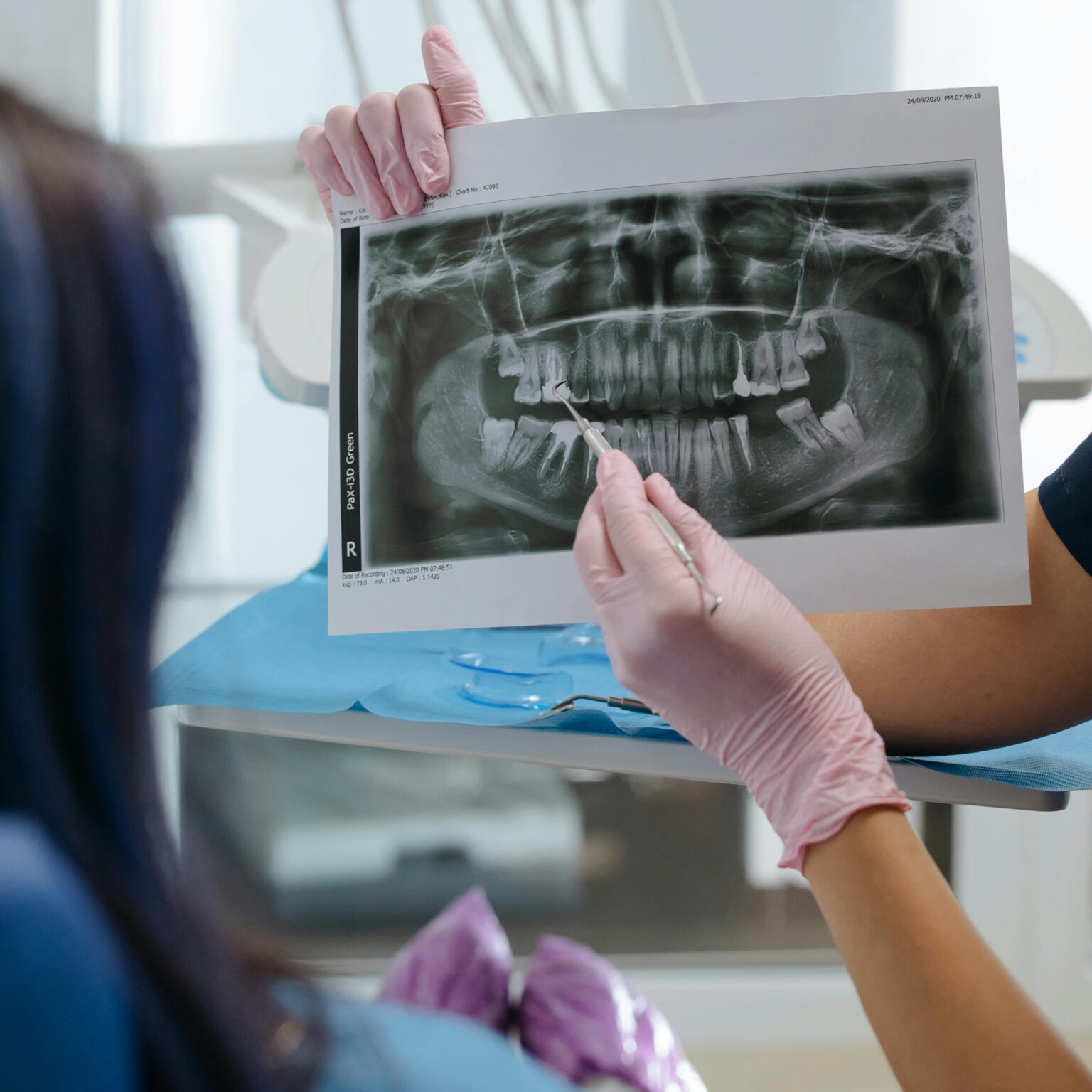
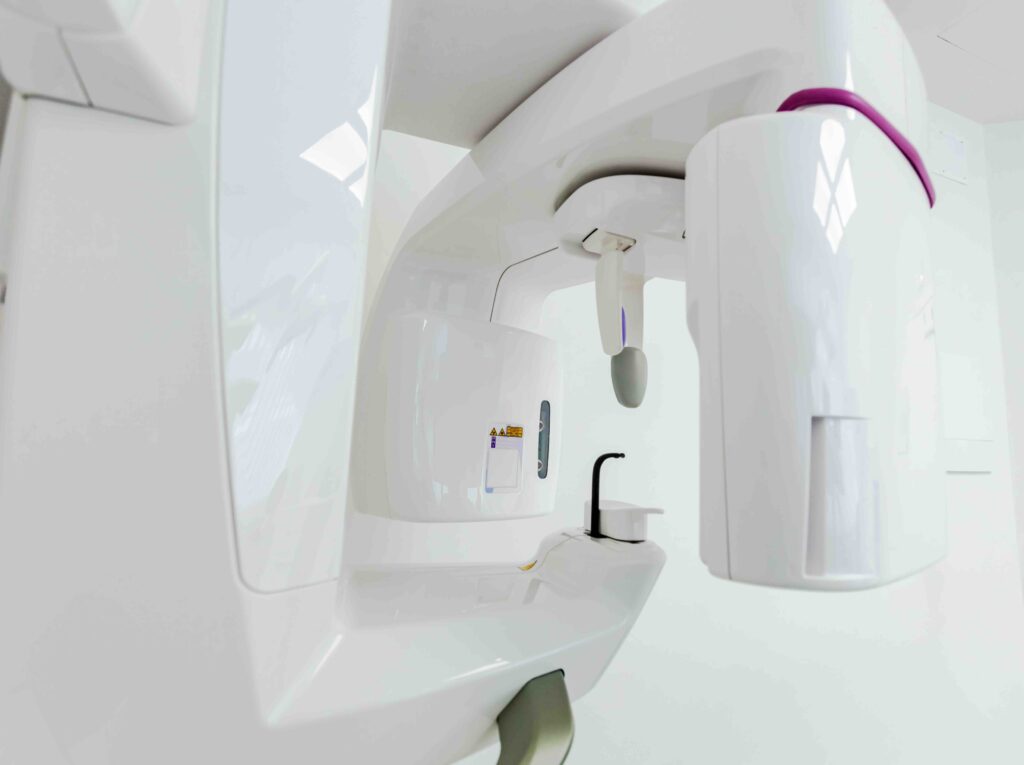
Losing a tooth changes more than a smile. It changes the way breakfast feels, the way certain words come out, the way a person laughs in a photo, and sometimes the way they carry themselves in a room. People often arrive at the idea of Dental Implants thinking about appearance first, then discover that the real impact is much broader. Eating, speaking, comfort, confidence, and long-term oral health all start to shift in practical ways.
That is why implants tend to matter most in ordinary moments. A sandwich at lunch without favoring one side. A work presentation without worrying that a denture may move. A family picture where the smile looks natural because it feels natural. These are not dramatic medical milestones. They are the small, steady parts of life that shape how a person feels every day.
For many patients, the surprise is not that implants can replace missing teeth. The surprise is how much mental space missing teeth had been taking up. Once that constant background concern is gone, daily routines often feel simpler and more relaxed.
The difference between replacing a tooth and restoring normal life
A missing tooth creates a gap, but the effects rarely stay isolated to that one space. Nearby teeth can drift. Bite pressure changes. People begin chewing on the opposite side without even noticing. Over time, that compensation can become a habit, and habits can affect the jaw joints and surrounding muscles. The body is remarkably adaptable, but adaptation is not always the same as comfort.
Dental Implants are designed to replace the tooth root as well as the visible crown. That root-level support is what makes them different from options that sit on top of the gums or rely entirely on neighboring teeth for support. When an implant integrates with the bone, it behaves much more like a natural tooth in the mouth. That matters because daily life is physical. You do not just look at your teeth. You use them dozens of times a day with force, repetition, and precision.
There is also Oaks Dental Dental Implants a psychological shift that is hard to quantify but easy to recognize in practice. People with a secure, well-restored bite often stop planning around their teeth. They stop cutting food into tiny pieces in social settings. They stop checking their smile in reflective surfaces. They stop speaking with guarded mouth movements. That freedom is usually gradual, not theatrical, but it is real.
Eating becomes less strategic
Chewing is one of the first daily activities patients mention after implant treatment. Before replacement, many people develop workarounds. They avoid crusty bread, steak, apples, nuts, or anything that demands bite force in the front of the mouth. Some stop eating certain foods entirely because they are tired of the awkwardness. Others continue eating them but do so carefully, chewing on one side and accepting discomfort as normal.
Implants can change that pattern, especially when the bite has been carefully adjusted and the restoration is well designed. Food feels more manageable because the chewing surface is stable. That stability allows force to be distributed more evenly, which can reduce the constant need to “think through” every meal. It may sound minor on paper, but repeated over breakfast, lunch, dinner, and snacks, it adds up quickly.
There is an important caveat here. The transition is not identical for everyone. Someone replacing a single back tooth may notice a clear but focused improvement in chewing. Someone moving from a loose denture to implant-supported teeth often describes a much bigger leap, because the starting point was much more limiting. The degree of change depends on what was there before, the number of teeth replaced, bone and gum conditions, and how well the bite is balanced.
In real life, one of the clearest markers of success is when patients stop mentioning food restrictions at follow-up visits. Early on, they often ask, “When can I bite into something firm?” or “Will I ever be able to chew on that side again?” Later, the conversation changes. The implant becomes part of the background. That is usually the best outcome.
Speech often improves in subtle but meaningful ways
Teeth play an underrated role in speech. Certain sounds rely on the tongue, lips, and teeth meeting in very specific positions. When front teeth are missing, airflow changes and pronunciation can shift. Some words whistle. Others blur. People may start speaking more softly or avoiding broad mouth movements.
With Dental Implants, especially in the front of the mouth, restoration is not only about filling a visible gap. It is about recreating shape, support, and spacing in a way that helps the mouth function naturally. A properly designed implant crown can support clearer pronunciation because it restores the surface the tongue and lips expect to work against.
The change is not always dramatic overnight. There can be a short adaptation period, just as there is with many dental restorations. The mouth notices even tiny differences in contour. But once the new tooth feels familiar, many people report that they stop tripping over certain sounds. More importantly, they stop worrying that others notice.
That worry matters. Speech is deeply tied to confidence, especially in jobs that involve teaching, sales, meetings, phone calls, or public interaction. When a person is no longer guarding their mouth while speaking, communication becomes more natural. The benefit reaches far beyond dentistry.
Your face and jaw benefit from support beneath the gums
One issue people do not always expect is bone loss after a tooth is lost. Natural tooth roots stimulate the jawbone when you chew. Without that stimulation, the bone in that area can shrink over time. The timeline varies from person to person, but the pattern is well documented in clinical practice. The result can be a change in the contour of the gums and jaw, especially if the tooth has been missing for years.
Because implants are placed into the bone, they can help preserve that area by providing functional stimulation again. They do not freeze time, and they do not guarantee identical anatomy forever, but they often help maintain structure better than leaving the space untreated. This is one reason timing matters. In many cases, replacing a tooth sooner rather than later can make treatment simpler and improve the esthetic outcome.
This becomes especially visible in the front of the mouth, where gum line shape and bone support affect smile appearance. A well-planned implant can help maintain a more natural profile, while delayed replacement after significant shrinkage may require grafting or more complex planning. That is not a reason to rush blindly. It is a reason to get an informed evaluation before the site changes further.
Patients sometimes describe this benefit in non-technical language. They say their face looks “less sunken” in that area, or that their smile looks more balanced. Those observations reflect anatomy. Support under the gums influences what people see above them.
Comfort changes when the restoration feels anchored
Anyone who has dealt with a removable partial denture or full denture understands that movement changes everything. Even well-made removable appliances have Dental Implants limits. They can rub, shift, trap food, create pressure points, or simply feel foreign at the wrong moment. Adhesives help some people, but adhesives do not create the same experience as a fixed tooth replacement.
An implant-supported restoration can feel much more secure because it is anchored in place rather than resting only on soft tissue. That often reduces rubbing and the need to constantly check whether the prosthetic feels stable. The change in comfort can be especially striking for lower dentures, which are more likely to move because the lower arch offers less natural suction than the upper arch.
Security also affects social ease. A person who trusts their teeth is more likely to order what they want at a restaurant, laugh fully, and speak without guarded movements. These are ordinary freedoms, but they have emotional weight. Oral comfort is not merely the absence of pain. It is the absence of vigilance.
Confidence usually returns in layers
When people think about confidence after tooth replacement, they often picture cosmetic confidence first. That is part of it, but not all of it. The larger change is often behavioral. Patients begin making eye contact again. They smile spontaneously instead of rehearsing it. They stop covering their mouth while talking. They agree to photos. They sit through meetings without wondering whether anyone noticed the gap.
This process rarely happens as one dramatic turning point. It usually comes back in layers. First, there is relief that the tooth is no longer missing. Then there is trust in function, which takes a little time and a few ordinary meals. After that, many people realize they are no longer thinking about the issue every day. That final stage is often the most valuable.
There is also a professional dimension. For people in client-facing or leadership roles, confidence in appearance and speech can influence daily interactions. It does not change a person’s skill or character, of course, but it can reduce self-consciousness that interferes with communication. Patients sometimes say, “I did not realize how much I had been holding back.” That statement is not vanity. It is an honest description of what persistent dental insecurity can do.
The treatment process is more manageable than many people expect
Implants sound intimidating to people who have never had them. The idea of oral surgery can trigger images that do not match what the actual experience is like. In straightforward cases, implant placement is often less dramatic than patients imagine. Local anesthesia is typically very effective, and many people compare the post-operative phase to a manageable tooth extraction recovery, though experiences vary depending on grafting, number of implants, and individual healing patterns.
The timeline is important to understand. Implant treatment usually involves phases rather than one visit that does everything. There is evaluation and imaging, then placement, then a healing period while the implant integrates with the bone, then the final restoration. In some cases, temporary teeth can be used during healing. In others, especially visible front teeth, the temporary plan deserves as much discussion as the implant itself because daily appearance matters during treatment.
A realistic conversation should include the trade-offs. Implants typically take more time upfront than a simple bridge or removable option. They also require sufficient bone, healthy gums, and careful planning. Smokers, patients with uncontrolled diabetes, those with untreated periodontal disease, and people who grind heavily may need additional management or may face higher risk. Good implant care is not about selling a universal answer. It is about matching the treatment to the patient.
Cost matters, but so does the time horizon
Implants are not the cheapest option at the start. That is the main reason many people hesitate, and it is a fair concern. Depending on the tooth location, complexity, need for grafting, and local fees, the total investment can be significant. A single implant with its final crown often costs more upfront than a removable partial solution and may also exceed the cost of some bridges.
Still, the right financial question is rarely “What is cheapest this month?” It is usually “What gives me the best function, stability, and maintenance picture over time?” A bridge may be an excellent choice in some situations, especially when adjacent teeth already need crowns. In other cases, preparing healthy neighboring teeth for a bridge may not be ideal. A removable appliance may cost less initially but come with compromises in comfort and convenience that become wearing over years.
Patients benefit from thinking in terms of lifespan, maintenance, and quality of use. The answer is not always implant treatment, but when it is, the daily value tends to show up in small repeated ways. It is the difference between a replacement that you accommodate and one that starts to feel like part of you.
Care is simple, but it is not optional
One common misconception is that an implant is artificial, so it does not need much care. The implant itself cannot get a cavity, but the surrounding gum tissue and bone absolutely need protection. Plaque can still cause inflammation around implants, and that inflammation can threaten long-term stability if ignored.
Daily maintenance usually looks familiar. You brush thoroughly, clean between teeth, and keep regular professional visits. What changes is the level of attention to detail. The area where the implant restoration meets the gum should stay clean, and the bite should be checked periodically, especially in patients who clench or grind. Night guards are often wise in those cases.
The habits that protect implants are not complicated, but they are consistent:
- Brush twice a day with careful attention along the gum line.
- Clean between teeth and around implant restorations every day.
- Keep recall visits and professional maintenance appointments.
- Manage grinding with a night guard if your dentist recommends one.
- Avoid tobacco when possible, especially during healing and long-term maintenance.
These steps are not glamorous, but they matter. The best implant work in the world cannot compensate for years of neglect.
Not everyone experiences the same version of “life-changing”
The phrase gets used often, sometimes too often. For one person, an implant changes daily life because it restores a single front tooth after an accident and ends months of self-consciousness. For another, implant-supported dentures transform eating and speaking after years of frustration with loose prosthetics. For someone else, the change is meaningful but quieter, such as the relief of no longer trapping food in a back gap or the comfort of a restored bite.
That range is worth respecting. Implants should not be oversold as magic. Healing takes time. Temporary phases can be inconvenient. Some cases require grafting or sinus work before placement. Rarely, implants can fail and need to be redone. There are also esthetic limits in areas where tissue loss was severe before treatment. A skilled clinician can often improve things significantly, but not every case can be made to look identical to a natural untouched tooth.
Practical expectations usually lead to better satisfaction than idealized promises. People who understand the timeline, the maintenance, and the likely functional gains tend to feel more confident throughout the process. They know what they are choosing and why.
Questions worth asking before you move forward
A strong implant experience starts with planning, not hardware. The best consultations usually involve a thorough review of your oral health, bite, gum condition, medical history, and goals. It is also the right time to discuss alternatives honestly.
If you are considering Dental Implants, these questions help clarify whether the treatment fits your life:
- Am I a good candidate based on bone level, gum health, and medical history?
- Will I need grafting or any preparatory treatment?
- What will I use as a temporary tooth during healing, if needed?
- How will this choice compare with a bridge or removable option in my case?
- What maintenance will this restoration require over the next several years?
Good answers should be specific to your mouth, not generic. Implant dentistry is highly plan-driven. Two patients missing the same tooth may need different approaches because their bite forces, gum thickness, bone levels, and esthetic priorities differ.
The real change happens in ordinary moments
People often imagine dental treatment in clinical snapshots, the scan, the surgery, the final crown. Those moments matter, but they are brief. Daily life is where the result proves itself. It proves itself at lunch when chewing stops feeling uneven. It proves itself in conversation when words come out without hesitation. It proves itself in the mirror when the smile looks stable and familiar again. It proves itself at the end of the day when the mouth feels like a place that works, not a problem that needs managing.
That is the lasting value of implants. They can restore function and appearance, yes, but their deeper effect is often the return of normalcy. You stop organizing around a missing tooth. You stop negotiating with discomfort. You stop carrying a small private distraction into every meal, meeting, and photo.
For the right candidate, that is what makes Dental Implants more than a dental procedure. They become a practical upgrade to the rhythm of everyday life.
Oaks Dental
5000 Parkway Calabasas Suite 308
Calabasas, CA 91302, United States
+1 818-431-2000
FAQ About Dental Implants
What is the downside of a dental implant?
Implants require surgery and a healing period that can last several months. Possible complications include infection, nerve or sinus injury, damage to nearby teeth and failure to bond with bone. Your dentist should assess your health, bone support and alternatives before recommending treatment.
What do dental implants typically cost?
There is no single price for every implant case. The number of teeth replaced, implant components, final restoration and any grafting or extractions affect the total. Request a written estimate covering every stage and confirm insurance benefits and out-of-pocket costs with the practice.
How long do tooth implants last?
An implant can provide long-term support and may last a lifetime with good oral hygiene and regular dental care, but this is not guaranteed. The crown or other restoration may need replacement sooner. Smoking, gum disease and some health conditions can reduce implant success.