Column · @dantecnpo668
Understanding the Cost of Dental Implants
Few dental treatments prompt as many cost questions as dental implants. Patients often come in expecting a single number, something neat and fixed, only to discover that implant treatment behaves more like a tailored medical procedure than an off-the-shelf purchase. Two people can both need one missing tooth replaced and still receive estimates that differ by thousands of dollars. That gap is not always a sign of overcharging. More often, it reflects anatomy, planning, materials, the clinician’s experience, and the amount of work required before the implant ever goes in.
The confusion is understandable. The phrase “implant cost” sounds simple, but it usually refers to several distinct services bundled together in casual conversation. There is the implant itself, the surgical placement, the connector piece called an abutment, and the final crown. In some cases there is also imaging, sedation, bone grafting, extractions, temporary restorations, and follow-up visits. Patients comparing prices online often do not realize they are comparing different treatment scopes.
A clear understanding of what drives the fee can make the entire process less stressful. It also helps patients judge value, not just price.
What you are actually paying for
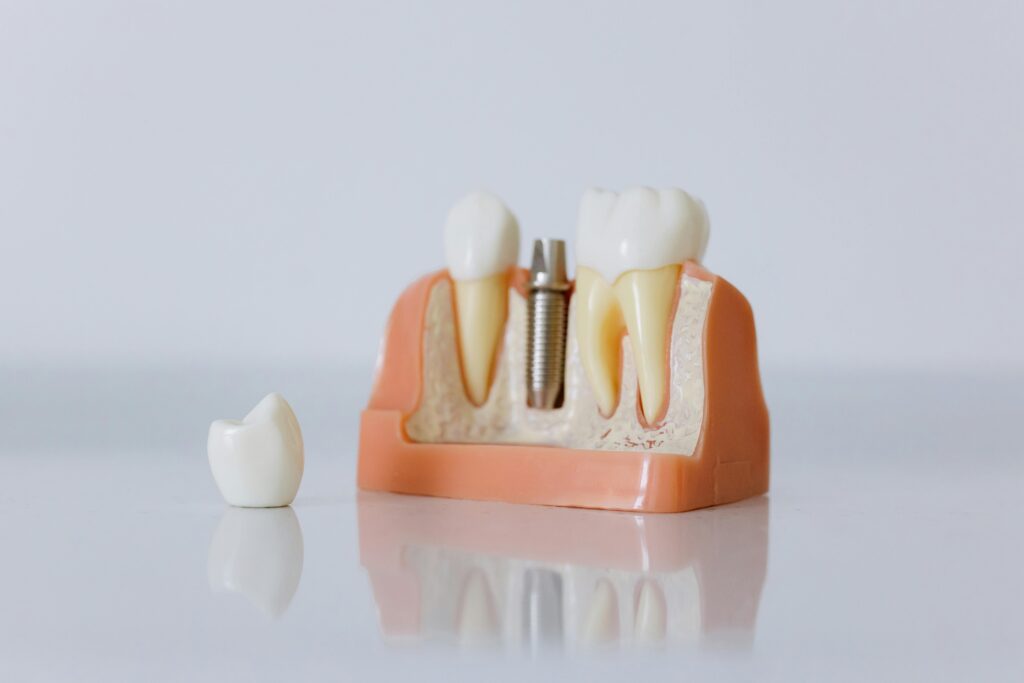
A dental implant is not just a screw placed in bone. It is a system designed to replace the root of a missing tooth and support a visible restoration that looks and functions like a natural tooth. The cost reflects both the hardware and the professional skill needed to plan and execute treatment safely.
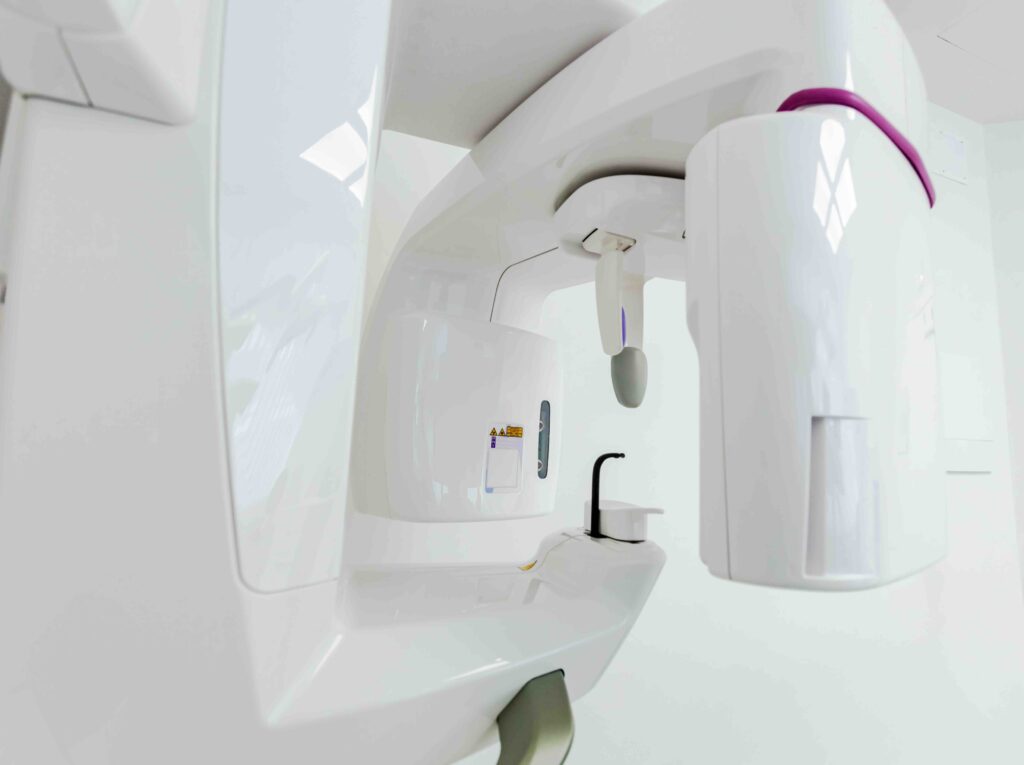
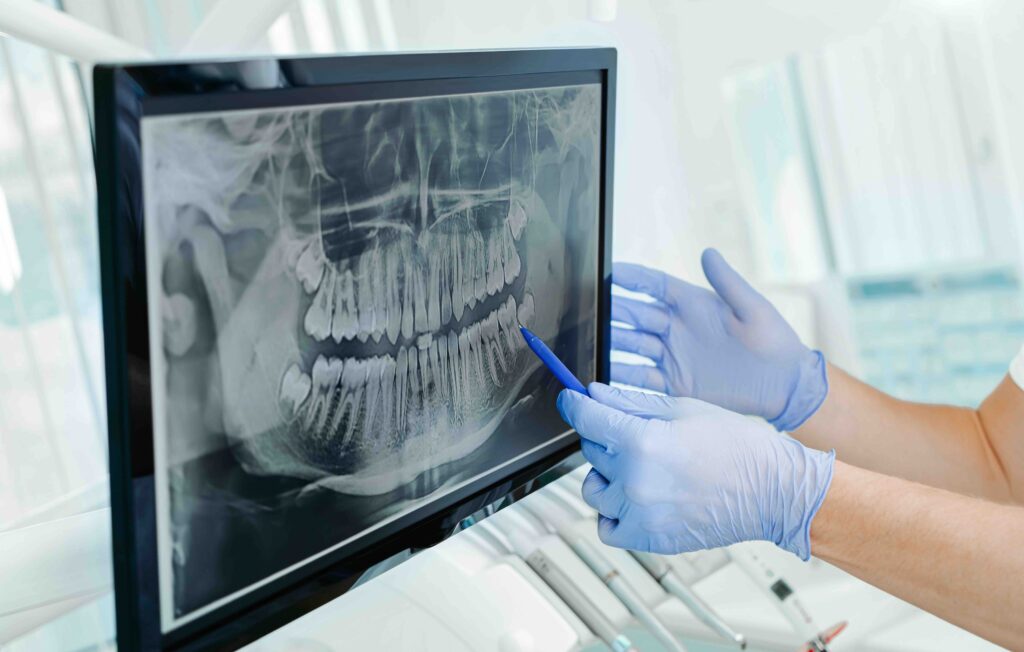
The implant fixture, usually made from titanium or sometimes zirconia, is only one part of the bill. Before surgery, the dentist or specialist needs to evaluate bone volume, gum health, bite forces, neighboring teeth, and overall medical history. This usually involves a clinical exam and imaging, often a three-dimensional CBCT scan rather than a simple two-dimensional X-ray. That extra detail matters. It helps avoid nerves, sinus spaces, and thin bone areas that could compromise the result.
Then there is the surgery itself. Placing an implant well is as much about precision as it is about speed. Dental Implants Good placement affects not just whether the implant integrates with bone, but whether the final crown emerges in the right position, can be cleaned properly, and looks natural. After healing, the restorative phase begins. Impressions or digital scans are taken, the abutment is selected or custom-made, and the final crown is fabricated and fitted.
When a patient says, “I was quoted $1,500 somewhere else,” the first question worth asking is, “For what exactly?” Sometimes that figure covers only the implant fixture placement, not the crown. Sometimes it excludes imaging or grafting. Sometimes it is a promotional price for a straightforward case, which few real mouths actually are.
Typical price ranges, and why they vary
In many parts of the United States, a single dental implant restored with an abutment and crown commonly falls somewhere in the range of about $3,000 to $6,000 per tooth. In complex cases, or in higher-fee metropolitan areas, the total can exceed that. In other countries, costs may be lower, though the comparison is not always direct because lab standards, implant systems, follow-up protocols, and regulatory frameworks differ.
That range sounds broad because it is broad. A straightforward lower premolar site with abundant bone and healthy gums is very different from a front tooth in the smile zone, where millimeters matter and aesthetics become unforgiving. It is also different from a site that has been missing a tooth for years, where the bone has shrunk and the sinus has expanded.
Geography has a real effect. Rent, staff wages, lab fees, and insurance overhead are all higher in some cities than others. Specialist involvement also changes the numbers. A periodontist or oral surgeon may place the implant, while a general dentist restores it. That team approach can be beneficial, especially in difficult cases, but it may also create separate fees.
Experience plays a part too. Skilled implant clinicians are not charging only for chair time. They are charging for judgment, complication management, planning ability, and the sort of refined technique that lowers risk. Patients sometimes underestimate how much value lives in the part of treatment they cannot see.
The hidden line items that surprise patients
The most common source of sticker shock is not the implant itself. It is the additional procedures needed to create a stable foundation.
If a tooth has been missing for a while, the bone in that area often resorbs. The body no longer needs to maintain the full height and width of bone once the tooth root is gone. If there is not enough bone to hold an implant securely, grafting may be recommended. A minor graft at the time of extraction or implant placement may add a few hundred to over a thousand dollars. More extensive grafting can cost more.
The upper back jaw introduces another variable: the sinus. When upper molars have been missing for some time, the sinus floor can sit too low for safe implant placement. A sinus lift or sinus augmentation may be needed. That can add significantly to the treatment cost, but in the right case it is what makes implant treatment possible.
Extractions can also be more involved than expected. Removing a broken tooth with infection, fractured roots, or close nerve proximity takes more time and surgical effort than a routine extraction. If immediate implant placement is planned, the extraction has to be done carefully to preserve bone and soft tissue.
Temporary teeth are another detail patients often forget to ask about. In visible areas, few people want to go months with an obvious gap. A temporary flipper, bonded provisional, or temporary crown may be part of the plan. These are not cosmetic luxuries. They can affect confidence, speech, and social comfort during healing.
Why the front tooth often costs more than the back tooth
Patients are sometimes puzzled when a front tooth estimate is higher than a molar estimate. After all, front teeth seem smaller. Clinically, though, replacing a front tooth can be far more demanding.
The smile zone is unforgiving. Tiny differences in gum contour, crown shape, shade, and implant angulation become obvious the moment someone laughs. It is not enough for the implant to integrate. It has to look right. That often means more detailed planning, custom abutments, provisional shaping of the soft tissue, and higher-end lab work.
There is also less room to hide mistakes. If an implant in the front is placed too far forward, too deep, too shallow, or slightly off-angle, the restoration may look unnatural even if the implant is biologically stable. Correcting Dental Implants those problems later is expensive and difficult. That is one reason experienced clinicians tend to be especially meticulous in aesthetic cases, and why those cases often carry higher fees.
Materials influence cost, but not always in the way people expect
Patients often assume that a more expensive implant simply means a more expensive piece of metal. The reality is more nuanced. Implant systems vary in design, manufacturer support, research history, restorative components, and long-term parts availability. Some established systems have decades of clinical data and widespread compatibility. Others may be lower-cost alternatives with less documentation or fewer restorative options.
The crown material matters too. A posterior implant crown may use different ceramics than a highly aesthetic anterior crown. A custom abutment milled to match the soft tissue profile can improve both function and appearance, but it costs more than a stock part. The lab making the crown also affects price. A skilled laboratory technician can make the difference between a restoration that merely fills a space and one that blends seamlessly with the natural dentition.
Cheaper components can lower the fee upfront, but they may introduce limitations later. If parts are hard to source in five or ten years, repairs become more cumbersome. That is not an argument that the most expensive option is always best. It is a reminder that material choice should be judged by reliability, support, and fit for the case, not by price alone.
The planning phase is where value often hides
One of the least appreciated parts of implant treatment is the planning stage. Patients tend to focus on surgery day because it feels like the major event. Yet a great deal of the outcome is determined before anyone picks up an instrument.
A thorough workup typically considers bone dimensions, gum thickness, smile line, neighboring roots, the location of anatomical structures, how the upper and lower teeth meet, and whether habits like clenching could overload the implant. In some cases, digital planning software and surgical guides are used to map placement with impressive precision. That technology costs money, but it can reduce surprises and improve execution.
Clinicians with experience tend to think backward from the final crown. Where should the visible tooth emerge? How should the gum frame it? Can the patient clean around it easily? Will the implant angle allow a strong and aesthetic restoration? This restorative-first mindset often separates average implant treatment from excellent implant treatment.
Patients rarely see that planning effort directly, but they live with the result every day.
Insurance coverage is inconsistent
Dental insurance can help, but it often helps less than patients hope. Some plans exclude implants outright. Others cover portions of the process, such as the crown, extraction, or imaging, while leaving the implant fixture largely uncovered. Annual maximums also create a ceiling that patients hit quickly. A common dental maximum may be in the low thousands, which does not go far in implant dentistry.
Medical insurance occasionally plays a role, but usually only in special circumstances, such as trauma, pathology, or medically necessary reconstruction. Most routine tooth replacement cases stay in the dental insurance realm.
This is why a treatment estimate should be reviewed carefully line by line. Ask what is included, what might be added if healing is different than expected, and which portions may receive insurance reimbursement. A transparent office can usually explain this clearly and submit pre-authorizations when appropriate.
Financing changes the decision for many households
For a large number of patients, the question is not whether dental implants are worthwhile. It is whether they are manageable this year. That is where financing enters the picture.
Many practices offer third-party financing, in-house payment arrangements, or staged treatment so the patient can spread costs across phases. Extraction and grafting might be completed first, with implant placement months later, then the final crown after integration. This does not reduce the total cost, but it can make the process more workable.
There is a practical point here that often gets overlooked. Delaying treatment can also create costs. Teeth adjacent to a missing space can drift, bite relationships can change, bone can shrink further, and the eventual case can become more expensive. That does not mean everyone should rush into treatment. It does mean timing has financial consequences as well as biological ones.
Cheaper alternatives exist, but they solve different problems
Dental implants are not the only way to replace missing teeth. A fixed bridge or a removable partial denture may cost less upfront, and in many cases these are reasonable treatments. The right choice depends on budget, anatomy, health, and patient priorities.
A fixed bridge can replace a missing tooth without surgery, but it usually requires shaping the neighboring teeth to support the restoration. If those teeth already need crowns, the trade-off may be acceptable. If they are healthy and untouched, some patients hesitate to prepare them.
A removable partial denture is usually the least expensive option initially, but it can feel bulkier, move during chewing, and place different forces on the remaining teeth. Some patients adapt well. Others never really like it.
The financial conversation should therefore include both short-term and long-term costs. An implant often costs more at the beginning, but it may preserve adjacent teeth and bone in ways that provide value over time. That value is not automatic, and implants are not maintenance-free, but they can be a durable solution when planned well.
Questions worth asking before you agree to treatment
Patients do not need to become implant experts, but a few focused questions can reveal a lot about the quality and transparency of a treatment plan.
- Does the quoted fee include the implant, abutment, crown, imaging, and follow-up visits?
- If bone grafting or a sinus lift might be needed, is that included or estimated separately?
- Who is placing the implant, and who is making the final crown?
- What implant system is being used, and will parts be readily available years from now?
- What happens if the implant does not integrate as expected?
Those questions tend to move the discussion away from headline price and toward total value. They also help patients compare estimates fairly.
When a higher estimate may actually be the better deal
A low quote can be attractive, especially when implant treatment feels financially daunting. Still, a lower number is not always the lower-cost path in the long run.
If a case is underplanned, if grafting is skipped when needed, if implant position is compromised, or if low-quality restorative work leads to repeated remakes, the original savings disappear quickly. Revision implant dentistry is expensive, technically demanding, and emotionally draining. Patients who have had an implant removed and redone know that the second round costs more than money. It costs time, trust, and patience.
There is also the matter of maintenance. A well-designed implant restoration should allow proper cleaning and distribute forces sensibly. A restoration that traps plaque or overloads the implant may develop inflammation, bone loss, screw loosening, or crown fractures. Those downstream issues are not inevitable, but they are more likely when treatment is rushed or poorly executed.
That is why cost should be weighed alongside clinician experience, communication quality, and how carefully the plan has been built around the individual patient.
A realistic way to think about value
The most useful way to think about the cost of dental implants is not as a commodity price. It is as an investment in a specific clinical outcome: a stable, maintainable, functional, and natural-looking replacement for a missing tooth. Some cases achieve that with relative simplicity. Others require far more preparation and precision.
A patient replacing a single missing molar with abundant bone and healthy gums may have a smoother, less expensive journey than someone rebuilding a front tooth after trauma and bone loss. Neither estimate is inherently right or wrong without that context.
For patients trying to decide whether to move forward, it helps to step back from the single number and ask a broader set of questions. What problem is being solved? How predictable is the plan? What alternatives exist? What are the likely maintenance needs? How important are aesthetics, fixed function, comfort, and preservation of surrounding teeth? Once those questions are answered honestly, the fee starts to make more sense.
Dental implants can be costly, but the cost is rarely arbitrary. It reflects diagnosis, planning, surgical skill, restorative craftsmanship, materials, and the complexity of the mouth being treated. When patients understand those moving parts, they are in a much stronger position to make a decision that fits both their health and their finances.
Oaks Dental
5000 Parkway Calabasas Suite 308
Calabasas, CA 91302, United States
+1 818-431-2000
FAQ About Dental Implants
What is the downside of a dental implant?
Implants require surgery and a healing period that can last several months. Possible complications include infection, nerve or sinus injury, damage to nearby teeth and failure to bond with bone. Your dentist should assess your health, bone support and alternatives before recommending treatment.
What do dental implants typically cost?
There is no single price for every implant case. The number of teeth replaced, implant components, final restoration and any grafting or extractions affect the total. Request a written estimate covering every stage and confirm insurance benefits and out-of-pocket costs with the practice.
How long do tooth implants last?
An implant can provide long-term support and may last a lifetime with good oral hygiene and regular dental care, but this is not guaranteed. The crown or other restoration may need replacement sooner. Smoking, gum disease and some health conditions can reduce implant success.